A lot sold as “homesite ready” turned out to be the septic drainfield. I found it on a site visit for a builder I worked for, with the buyers there. Building anywhere else on the lot would have cost far more than their budget, so they sold it and bought an existing home. The next year, their family members sent the builder two referrals, and both became home-building projects.
The lot and the listing
The sales team at that builder set up a visit for me to see a potential customer’s newly purchased property.
The market was red-hot, and these buyers had acted fast. They paid slightly above market value for what looked like a dream lot.
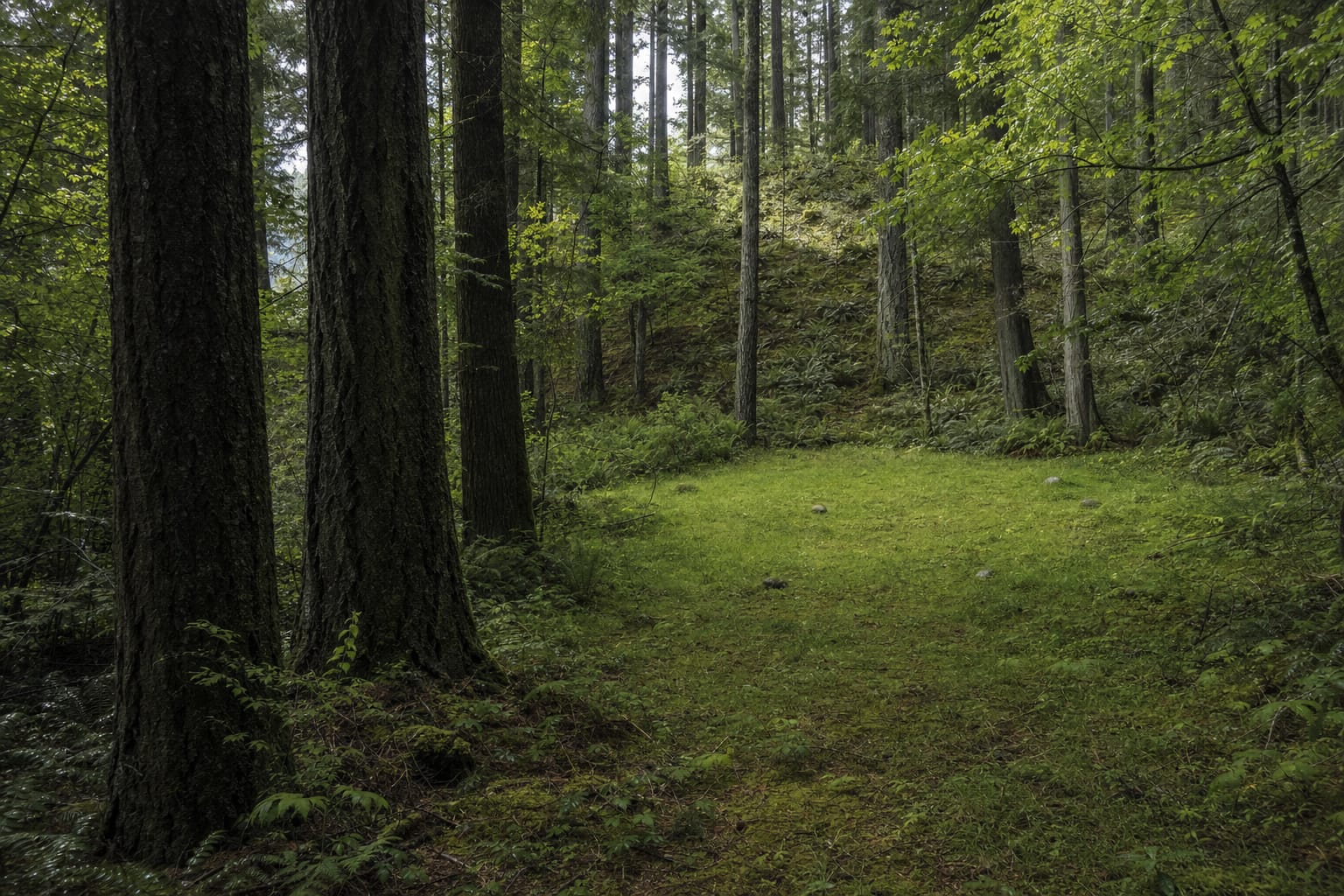
The listing described Douglas fir trees, a creek, and a sunny clearing called “homesite ready.”
What I saw on the site visit
The customers were already there when I arrived. They were looking out from the top of a large embankment.
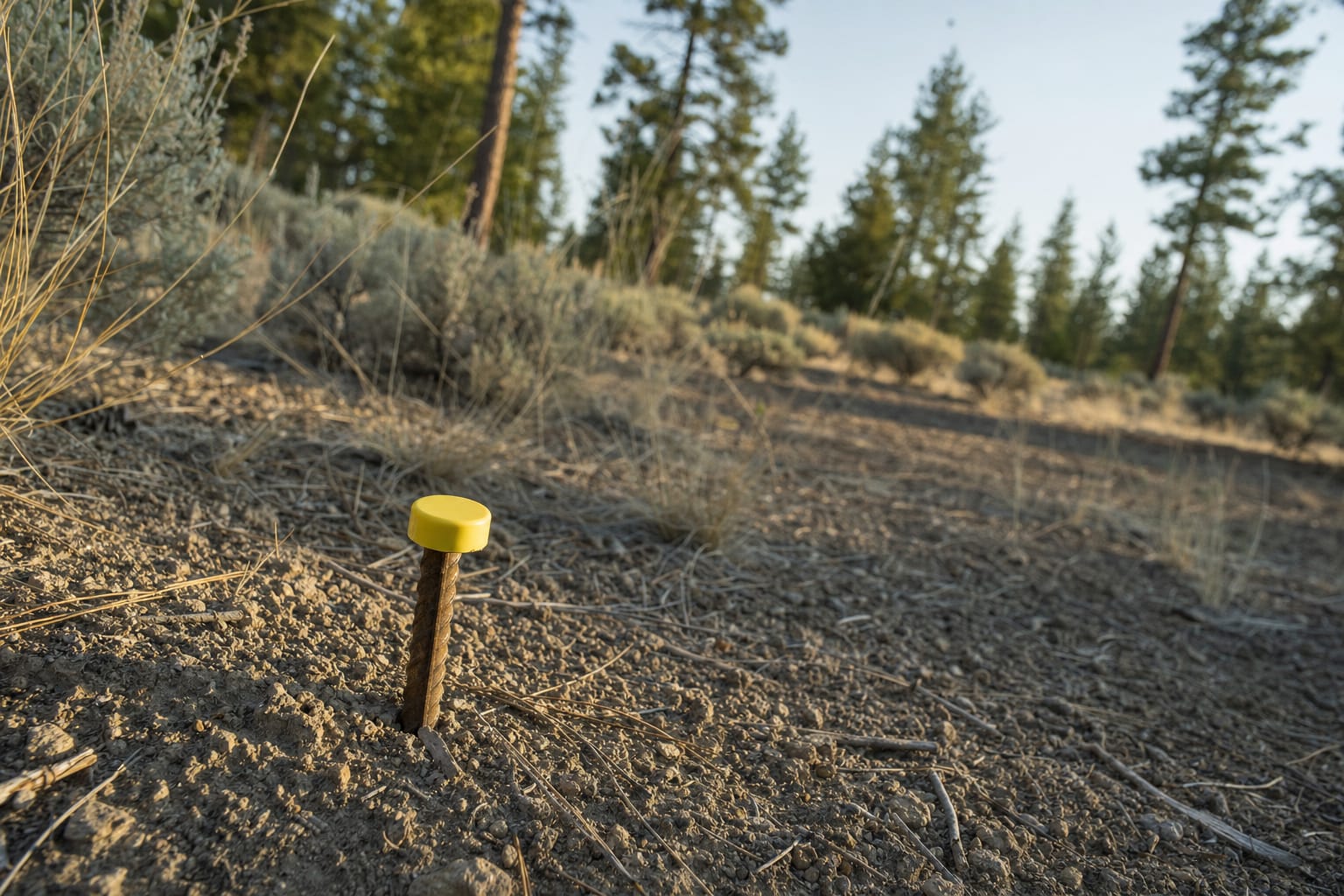
We followed our usual process. We located the property pins, walked the long driveway that wound through the big firs, and stopped at what looked like a prepared building pad.
Something didn’t add up. The listing mentioned an installed septic system, and I hadn’t seen any sign of one on our walk.
Then I noticed round rocks in the soil of the “building pad.” That is a sign of a drainfield.
What the drainfield meant
The clearing advertised as the building site was the septic system’s drainfield. It was the only reasonably flat ground on the property that wasn’t in a flood zone.
We looked at every alternative. Building on the hillside and clearing the big trees would cost far more than the customers’ budget allowed.
By the end of the visit, the buyers were visibly disappointed. Their dream lot was unbuildable within their means. They decided to sell it and buy an existing home instead.
What happened the next year
In the year after that visit, the builder received two referrals from family members of those same customers. Both referrals led to successful home-building projects.
We lost the first sale. But in the short time I spent evaluating their property, I had earned enough trust that they were willing to recommend the builder to their loved ones for their own homes.
Why I started Sand & Sage Solutions
That visit settled something I already believed. Giving customers real value, even when it costs you the sale in front of you, builds trust that lasts longer than one sale. Telling them the truth kept them from spending money on a home site that did not work, and it brought the builder more work.
That belief is why I founded Sand & Sage Solutions. I want people to hear the truth about their land early, before the money is spent, even when it isn’t the answer they hoped for.
Before you buy a lot sold as “ready”
If you are looking at a lot described as “ready” to build on, check these before you pay.
- Walk the lot and find the flat ground you plan to build on. Ask what is under it and what it is being used for.
- If the listing mentions a septic system, ask the seller or agent to show you where it sits on the lot. Round rocks in the soil of a cleared pad can be a sign of a drainfield.
- Find out whether the flat ground is in a flood zone. On the lot in this story, the drainfield was the only flat ground that wasn’t.
- Get a rough cost for building on the rest of the lot, including slopes and tree clearing, before you commit.
If the numbers don’t work, you want to learn that before closing, not after.