
Uncategorized

How to Read Utility Markings on Vacant Land | Site Due Diligence

How to Read Utility Markings on Vacant Land: A Site Due Diligence Essential When you walk a vacant lot for a potential build, the first thing most people notice is the view or the slope. But seasoned pros know to look down first. Specifically, at the spray-painted lines, wooden stakes, or capped pipes with colored paint scattered across the dirt. These markers aren’t random. They tell the story of what’s buried underground—and ignoring them could cost you thousands. Understanding utility markings is a critical step in your due diligence process. Whether you’re a builder, developer, or agent advising a buyer, knowing how to interpret these indicators helps prevent project delays, surprise costs, and major headaches. Why Utility Locates Matter Before any excavation begins, you need a clear picture of existing underground utilities. That includes: Missing or misidentified utilities can delay permits, increase costs, or even make the lot unbuildable without major investment. Spotting the color-coded clues early can help you ask better questions—or walk away before you’re in too deep. Utility Locate Color Codes Explained Utility markers follow a national color standard to indicate the type of line or service underground: These markings are temporary but important. If you see them, someone else has already called in a locate—or utilities may be actively servicing the lot. Calling 811: The Legal Path to a Locate In most states, the law requires you to call 811 before you dig. But here’s the catch: you can’t legally call in locates unless you own the property or have written authorization. If you’re in a purchase agreement and still in the due diligence period, you can request the seller to sign an Owner Authorization Form. This gives you the legal clearance to call 811 and have utilities marked. It’s a step that can uncover deal-breakers early, or confirm that your site is ready for development. Pro Tip: Call 811 at least 2–3 business days before you plan to walk or inspect the lot. It’s free, fast, and can save you from major setbacks. When to Use Private Utility Locators 811 services mark public utilities—but they often won’t mark private lines. That includes: For a full picture, especially on previously developed lots or larger properties, consider hiring a private utility locator. These professionals use ground-penetrating radar and electromagnetic tools to map lines the city won’t mark. Real-World Example: The Missing Power Stub We once reviewed a property that was advertised as “power at the street.” The site walk showed a green transformer box nearby, but no red utility markings or painted stakes on the lot. After securing Owner Authorization and calling 811, it became clear: the nearest available drop was over 500 feet away. Estimated cost to bring power in? Over $20,000. That single missing mark changed everything for the buyer. What to Look For During a Site Walk Bring this checklist when walking a lot: Internal and External Resources Conclusion: Listen to What the Lot Is Telling You When it comes to site development, ignorance isn’t bliss—it’s expensive. Reading utility markings isn’t just for contractors. It’s an essential part of evaluating whether a lot is truly ready to build. The next time you’re on site, look for the colors. They might tell you everything you need to know. Want help evaluating your next property? Visit www.sandandsagesolutions.com or explore our SiteFacts Reports for fast, flat-rate due diligence.

How to Read Utility Markings on Vacant Land | Site Due Diligence Read More »
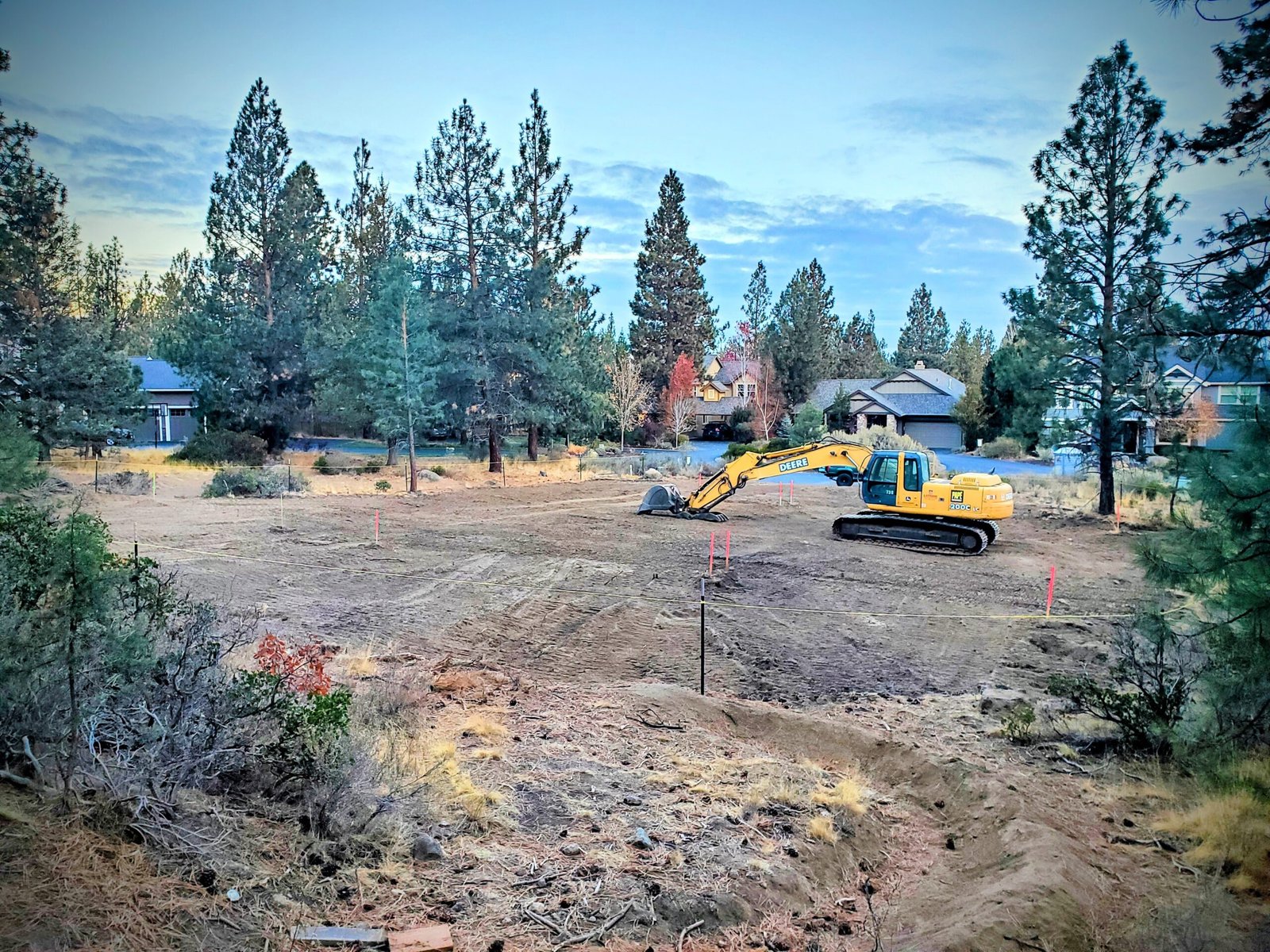
Navigating Raw Land Development: A Beginners Guide To Building On Undeveloped Property

Developing raw land to build your own home can seem like a complex and daunting task, often perceived as a project for seasoned professionals. However, with the right approach and preparation, even beginners can successfully navigate this process. If you’re considering building a home on undeveloped land, don’t be discouraged by the perceived complexity. With thorough planning and due diligence, you can turn raw land into the perfect spot for your dream home. What is Raw Land Development Raw land development for homebuilding involves purchasing a piece of undeveloped land with the intent to construct a residential property. This process differs from other types of real estate investments because it requires more detailed planning and understanding of the land’s potential. Building your own home offers unique advantages, including the ability to customize your living space and potentially gain long-term value from your property. Top 5 Benefits of Developing Raw Land For Your Home Key Factors to Consider When Developing Land for Your Home 10 Things to Consider Before Building on Raw Land The Development Process for Building a Homes Summary Building a home on raw land is a rewarding process that offers the chance to create a personalized living space from scratch. By following these steps and considering the key factors, you can successfully navigate the complexities of raw land development and build a home that meets your needs and exceeds your expectations. With careful planning and professional guidance, developing raw land can become a fulfilling and valuable investment in your future.

Navigating Raw Land Development: A Beginners Guide To Building On Undeveloped Property Read More »

Accessing Your Property: More Than Just Building a Driveway

The Essential Guide To Understanding Access To Your Property Building a new home is an exciting journey, but it involves careful planning and attention to detail, especially when it comes to constructing your driveway and access paths. This crucial component not only affects the ease of construction but also plays a significant role in your daily living experience. Here’s what you need to know to get it right from the start. 1. Planning Your Driveway and Access Before diving into building a driveway, it’s essential to evaluate how the driveway will intersect with the main access road and lead to your build site. During your site visit, ensure you identify the exact location where the driveway will meet the road and outline the proposed path to your new home. This planning step is crucial as it can influence the placement of your home and overall layout of your property. 2. Understanding Driveway Approaches The driveway approach is where your new driveway connects to the main road, and it’s subject to various regulations and specifications. Whether you’re in an urban or rural setting, consult with local authorities to understand their requirements. Here’s what you should consider: 3. Construction Considerations A well-constructed driveway is vital for both construction access and long-term use. Here’s what to keep in mind: 4. Fire Marshal Requirements For driveways longer than 150 feet, you’ll need to adhere to NFPA fire access standards. This includes ensuring adequate widths and turnaround areas for emergency vehicles. It’s crucial to plan this aspect carefully to meet safety regulations. 5. Navigating Driveway Slopes Driveway slopes are an important consideration, regardless of your property’s location. Steep driveways can pose challenges such as break-over and approach angles, which may affect usability. During your site visit, discuss slope issues and explore potential solutions. Conclusion A well-planned and constructed driveway is more than just a path to your home; it’s a crucial element that impacts both construction and daily living. By understanding and addressing these key factors—approach specifications, construction materials, fire safety, and drainage—you’ll be well on your way to a smooth and successful home build. For any complexities or uncertainties, always consult with your jurisdiction to ensure your driveway meets all necessary requirements and functions perfectly for years to come. Happy building, and may your new home be everything you’ve dreamed of and more

Accessing Your Property: More Than Just Building a Driveway Read More »

Scroll to Top
Verified by MonsterInsights