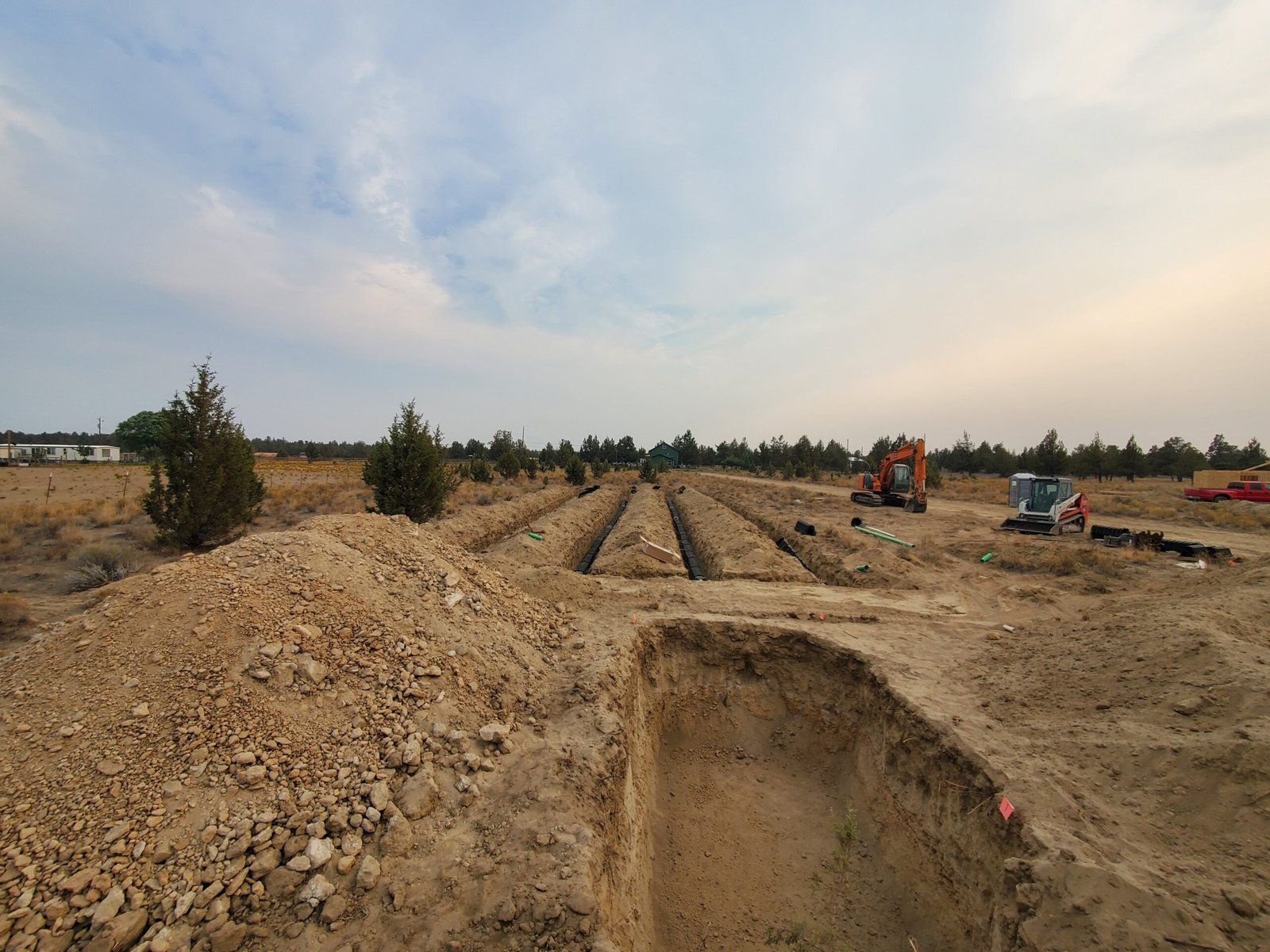
The Stuff No One Wants to Talk About: Understanding Sewer and Septic for Building on Your Land Introduction to Wastewater Systems Wastewater management is a critical aspect of modern infrastructure, particularly for new home construction where the choice of sewage disposal system significantly impacts both functionality and long-term maintenance. The two primary systems employed in this process are municipal sewer systems and septic systems. Each option presents distinct advantages and constraints that property owners and builders must consider during site evaluation and planning. The municipal sewer system is designed to transport wastewater from multiple residences to a central treatment facility. It is often the preferred choice in urban areas where a sewer line is readily available. In these scenarios, homeowners can initiate a new sewer connection through a process that may include obtaining permits and possibly installing a sewer stub to link their property to the municipal infrastructure. The efficiency of the system is a notable benefit, alleviating property owners from the responsibilities of on-site wastewater management. Conversely, a septic system is typically utilized in rural or suburban areas where municipal connections are not feasible. This system involves a buried tank that collects and treats wastewater from individual homes, relying on soil absorption for the final treatment of effluent. Property owners must conduct a septic evaluation to ensure that their land is suitable for such a system, which may involve digging test pits to assess soil conditions and drainage capabilities. Such assessments can help determine the viability of a new septic system on the property, factoring in local regulations and site characteristics. Ultimately, the decision between a sewer system and a septic system requires careful consideration of location, environmental impact, and future home maintenance obligations. Each option carries implications for wastewater management efficiency and compliance with local regulations, making informed planning essential for sustainable development. Municipal Sewer Systems: Key Considerations When considering the installation of a new sewer connection, understanding the intricacies of municipal sewer systems is essential. Connecting a property to city sewer lines involves a series of processes that can significantly impact both time and cost. To facilitate this connection, it is crucial to first identify the location of sewer stubs, which are points at which properties can connect to the municipal sewer system. A thorough examination of your land will help ascertain the proximity of these stubs and allow you to plan your installation accordingly. A vital part of this process involves the need for hot taps. These are specialized connections made to existing pressurized sewer lines, ensuring that the new sewer connection does not disrupt the flow of wastewater through the system. Obtaining the necessary permits and engaging with municipal authorities is imperative before proceeding with a hot tap, as regulations can vary significantly between municipalities. Once the sewer stub has been identified and the hot tap is secured, consulting excavation companies is the next step in the process. It is advisable to obtain multiple bids to ensure that the costs associated with digging and laying the necessary piping are reasonable and competitive. Additionally, excavation professionals can provide valuable input regarding slope requirements for piping, which play a crucial role in ensuring proper drainage and prevention of sewage backup. For properties with challenging conditions, such as significant elevation changes, you may require lift or grinder pumps. These devices help facilitate the movement of wastewater towards the municipal lines when gravity alone cannot efficiently manage the flow. Investing time in evaluating your land’s topography and consulting experts will be key to ensuring a seamless integration of a new sewer connection into your new home construction project. Septic Systems: Types and Installation Requirements Septic systems serve as an essential solution for wastewater management, particularly in areas without a municipal sewer connection. These systems treat wastewater on your land, making them a viable option for new home construction. The two primary types of septic systems are gravity-fed systems and alternative treatment technologies (ATT), each with distinct characteristics and requirements. Gravity-fed systems are the most common, utilizing the force of gravity to facilitate wastewater flow from the home to the septic tank, and subsequently to the drain field. This straightforward method ensures effective separation of solids and liquids, allowing for natural filtration through the soil. In comparison, capping fill systems have emerged as a consideration in areas with shallow soil or high water tables. These systems elevate the drain field above the surrounding terrain, ensuring proper drainage and minimizing flooding risks. Before installation, conducting a septic evaluation, including perk tests, is crucial to determine the soil’s absorption capacity. Local jurisdiction approval is required to ascertain compliance with regulations regarding drain field location and sizing. Additionally, environmental conditions can significantly impact the timing of septic installation. Factors such as soil moisture, temperature, and freeze-thaw cycles must be considered to ensure proper functioning of the new septic system. Installing a septic system requires specialty contractors skilled in the specific installation procedures and standards unique to the chosen system. This includes adhering to guidelines outlined by health departments or environmental agencies. Furthermore, ATT systems may have additional requirements such as specialized electrical connections and regular maintenance to ensure effective operation. Given these complexities, utilizing professional expertise from the outset can facilitate a successful installation and ongoing system management. Navigating Challenges and Compliance in Wastewater Management Property owners often encounter various challenges when managing wastewater systems, particularly when deciding between a new septic system or connecting to an existing sewer line. One such challenge is the location of sewer mainlines, especially in urban areas where infrastructure may be situated at a considerable distance from the property. This can complicate the process of obtaining a new sewer connection, forcing homeowners to consider the intricacies of engineering services necessary for line extensions. In situations involving multi-building properties, additional considerations arise. Each building may require a separate evaluation to determine if the existing sewer infrastructure can adequately support multiple connections. In such cases, property owners must engage with local regulatory agencies to navigate the compliance landscape,